 ×
×

AIRE runs the app. Rhino reads the meters.
AIRE gives every resident one branded app for maintenance, bookings and building news. Rhino connects to the meters in the same building and pushes per-unit consumption into that app through a single API. Residents see what they are using while they can still do something about it, instead of finding out at settlement.
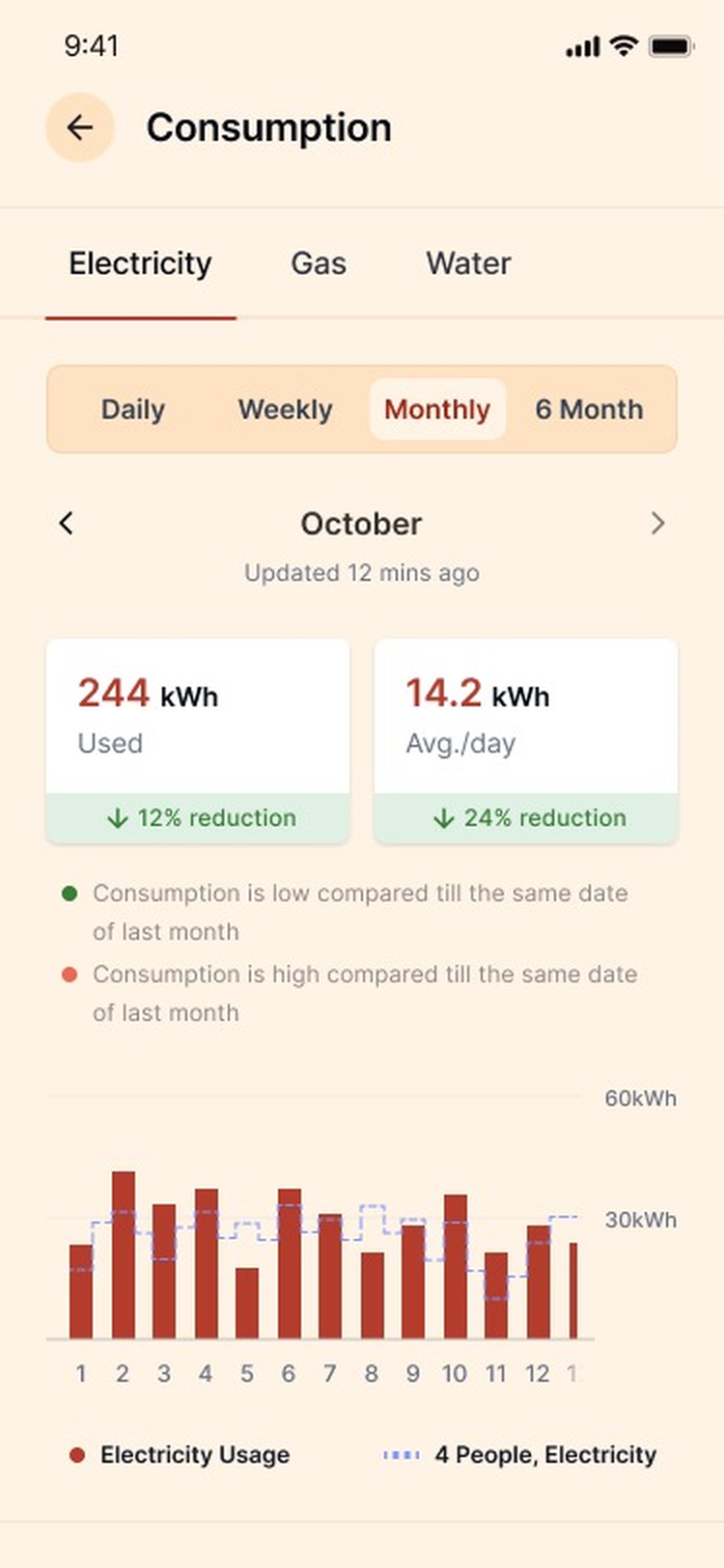
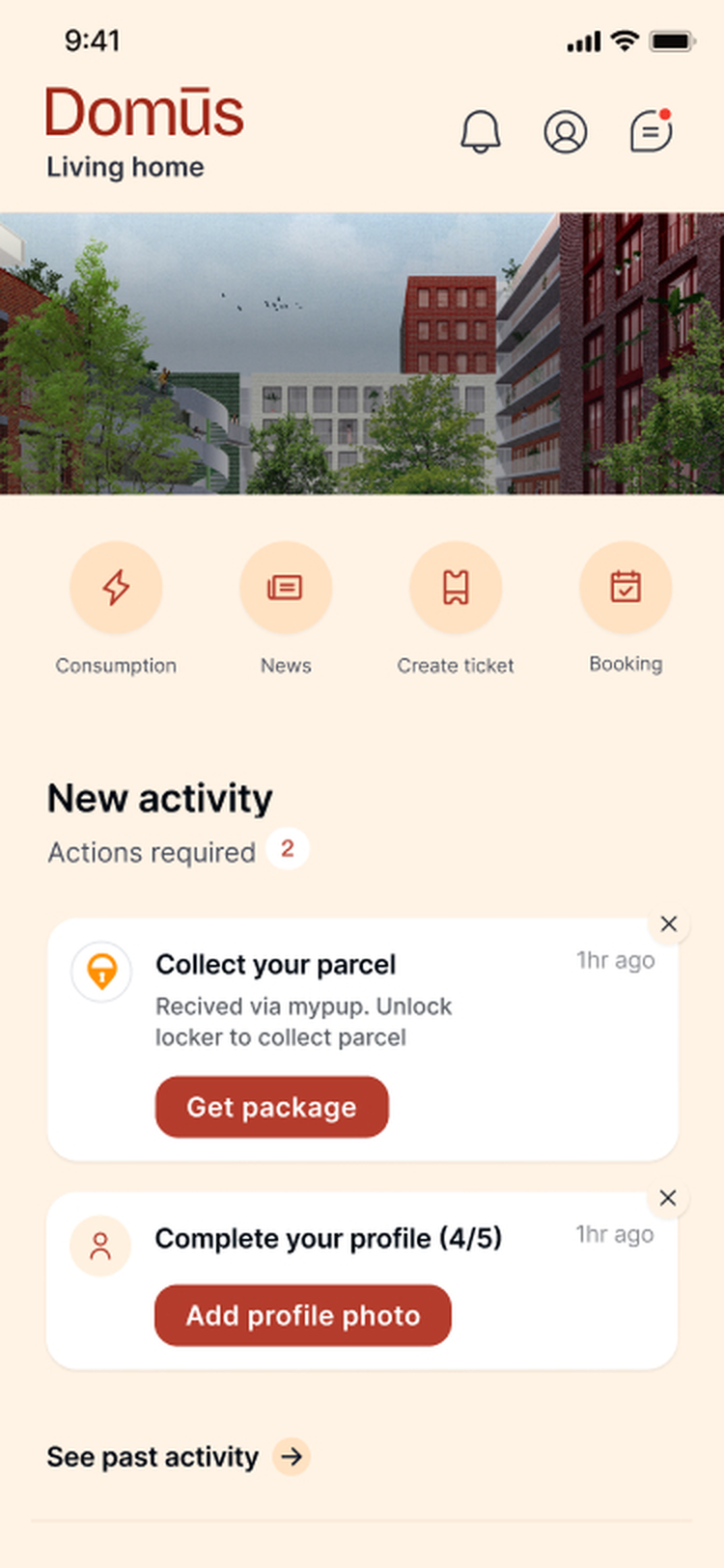
One app the resident already opens. One layer that measures.
AIRE is the resident layer. It carries maintenance requests, bookings, documents and building news in a white-label app, and gives the property team one system to run those buildings from. That app is already on the resident's phone.
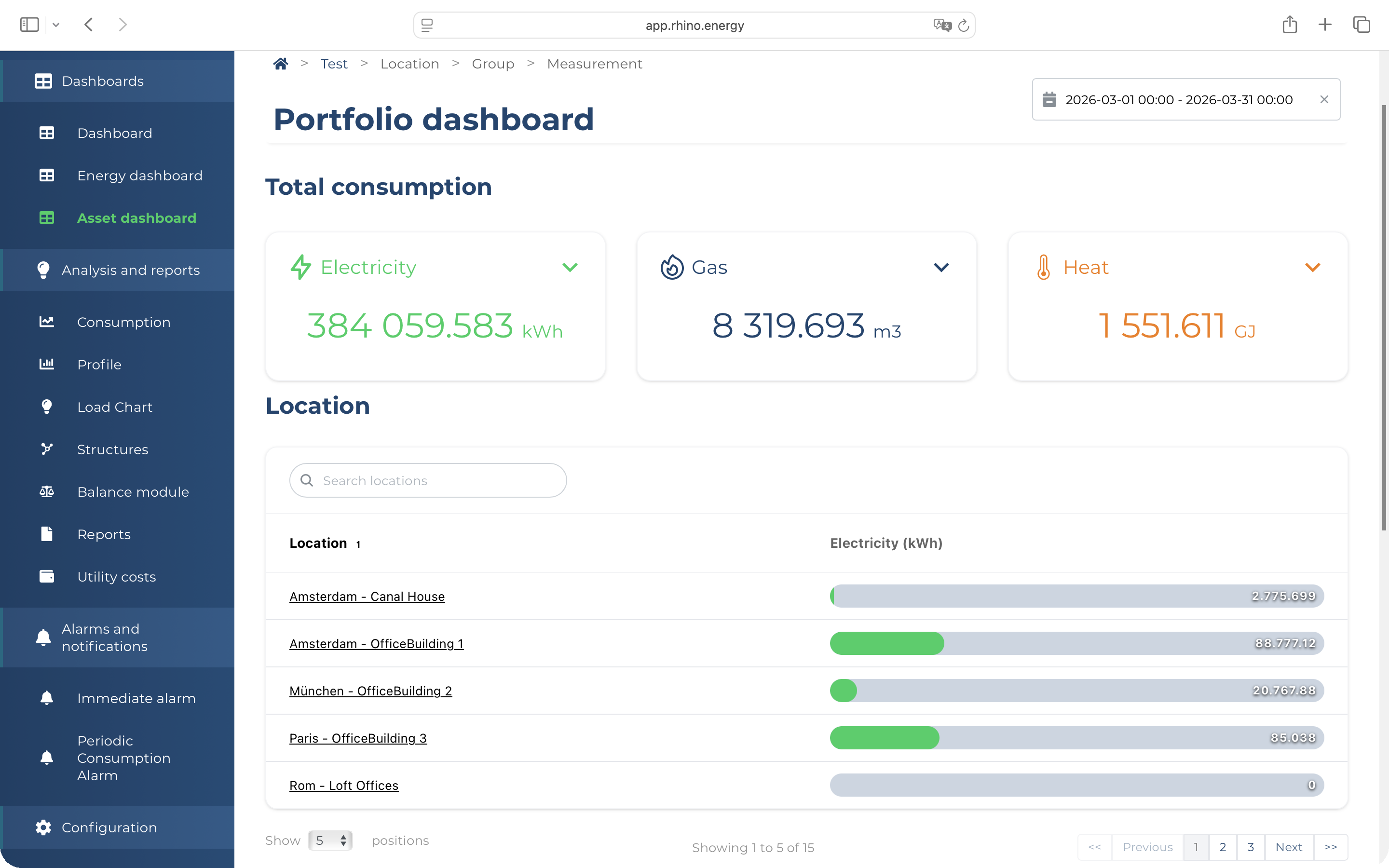
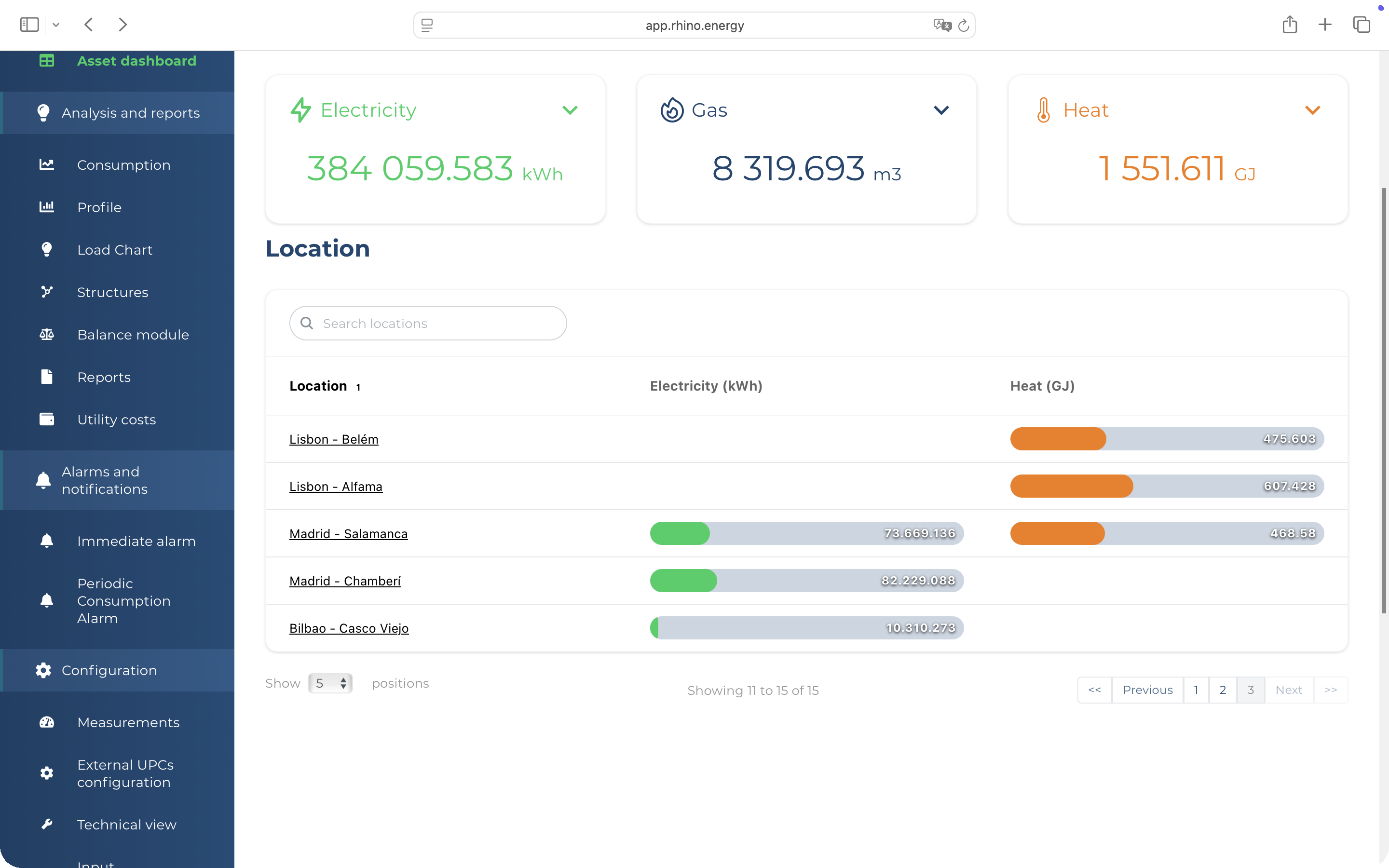
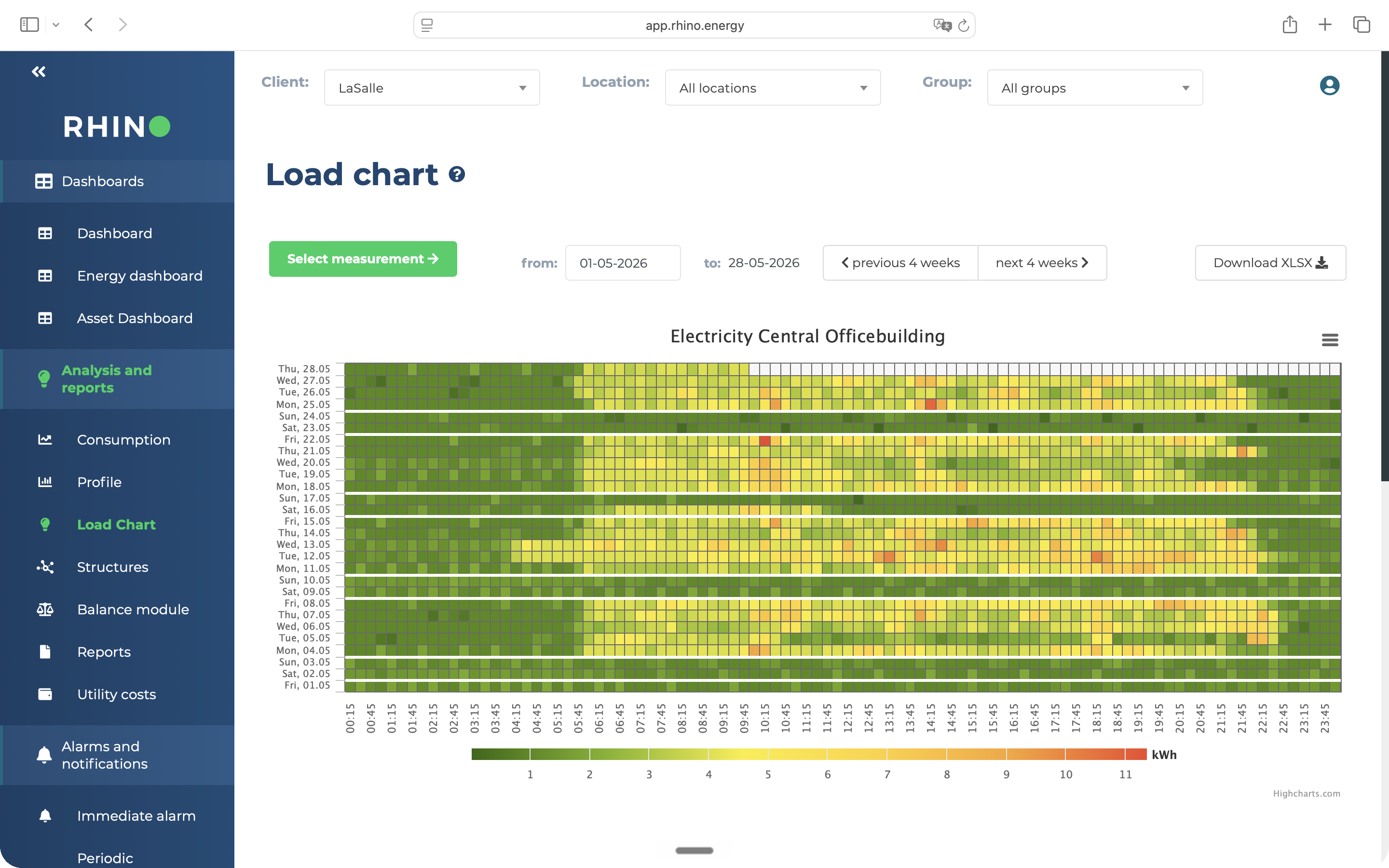
Rhino is the measurement layer. It connects to the meters in the building, across all utilities and down to submeter level, and reports what each unit actually consumed. It has no interface for the resident and does not want one.
That division is the whole point of the integration. Consumption data only changes behaviour if somebody looks at it, and residents will not adopt a second app to do that. So the data goes where the attention already is.
- Per-unit readings, not building totals. Consumption is resolved to the apartment, so what a resident sees is their own usage rather than a share of the block.
- All utilities. Electricity, gas, water and heat, including submeters, at 15-minute intervals.
- Connects to what is already installed. Utility network connections where a smart meter allows it, Rhino hardware where it does not. No meter replacement programme, low CAPEX.
- Validated before it is published. Gaps and anomalies are flagged at source, so a metering fault never reaches a resident as a spike they cannot explain.
- One dataset for the whole portfolio. The same structure in every building, whether or not AIRE is deployed there.
- The app residents already use. Maintenance, bookings, parcels, community and building news, under the building's own brand rather than a vendor's.
- The tenancy record. AIRE knows which resident belongs to which unit, which is what turns a meter reading into somebody's consumption.
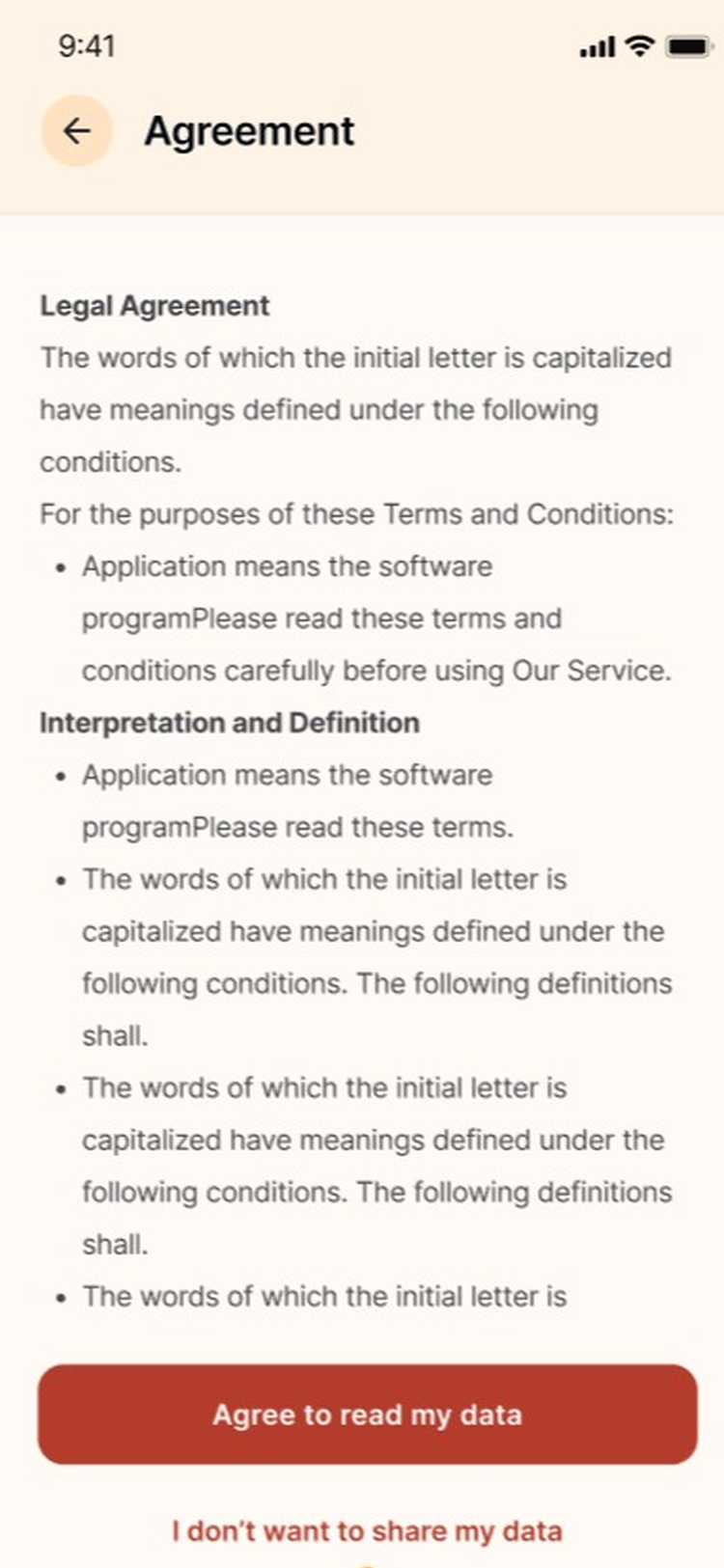
- Consent in context. The resident is asked in the app, before anything is shown, and can decline. Meter data is never surfaced without that step.
- Notification and messaging. An unusual pattern can reach the resident where they already read building messages, not in an email nobody opens.
- The operations side. Tickets, contractors, documents and reporting for the property team, in the same system.
Neither half does much alone. A tenant app with no consumption data is a ticketing tool. Metered consumption with no way to reach a resident is a chart in a dashboard nobody signs into. Put them together and a variable utility bill stops being a surprise that arrives at settlement.
Meter to phone, in four steps.
One API integration, set up once per portfolio. After that it runs without anyone touching it.
Outlier units, visible early
A unit consuming well above its neighbours is a running tap, a failed appliance, or a heater stuck on. All three are cheaper to fix in week one than in month three.
Fewer settlement disputes
A number a resident has been watching all period rarely comes as a shock at settlement. The conversation moves from arguing about the figure to explaining it.
No second system to run
The team works in AIRE. Rhino sits behind it. Adding consumption data does not add a login, a training session, or a tool for anyone to forget about.
The integration is one API, not a project. Rhino connects to the meters already in the building and AIRE consumes the feed. There is no separate resident portal, no data entry, and no monthly export for somebody to reconcile.
Their consumption, while they can still act on it.
Where utilities are settled on actual consumption, the resident is carrying a cost they cannot see until the statement arrives. The consumption view removes that gap. It sits inside the building's own app, next to the maintenance button they already know.
Usage is shown per utility and over a period the resident chooses, held against the same period before it. A month running high is visible in week one, not at settlement, and the resident can do something about it while it still matters.
Screens from the Domūs app in Amsterdam Houthaven, built on AIRE, with consumption supplied by Rhino.
The consumption view residents open. Per utility, per period, against the period before it.
Data that reaches the person who can change the number.
Operator-side monitoring tells you a building consumed too much. It does not tell the resident, and the resident is the one leaving the window open.
No new app to adopt
The consumption view lives inside the app residents already open for parcels, tickets and building news. Adoption is not a campaign, because there is nothing new to install.
Faults surface as consumption
A running tap, a failed boiler or a heater stuck on shows up as a usage pattern long before it shows up as a complaint or an inflated invoice. Both the resident and the property team can see it.
Settlements that hold up
Variable utility costs are settled against metered readings rather than an estimate and an apportionment key. Residents have seen the number building all period, so the statement confirms something rather than announcing it.
Consent handled where the resident is
The app asks before any consumption is shown, and the resident can withdraw permission. The consent sits in the same place as the data, which is where a resident would look for it.
The same data serves reporting
The readings behind the resident view are the readings behind portfolio reporting. One connection covers resident engagement, cost allocation and the consumption evidence EPBD and CSRD work depends on.
Portfolio-wide, low CAPEX
Rhino connects to the meters already in each building, software first and hardware only where it is needed. Rolling this across a residential portfolio does not require a metering overhaul.
Residential property management, in one platform.
AIRE is a cloud-based property management system for residential real estate: maintenance requests, tenant communication, amenity bookings, documents and portfolio reporting in one place, with a white-label app for every resident.
Built in the Netherlands for the European market, AIRE serves landlords and asset managers who want to add buildings without adding administrative headcount. The tenant app is fully rebrandable, so residents see the building's name rather than a software vendor's. Rhino is one of its integration partners, alongside access control, connectivity and facility management systems.
Visit airepms.comConsent before consumption
No resident's meter data appears in the app until they have agreed to it there. Permission is requested in context, can be declined, and can be withdrawn. Rhino supplies the readings; AIRE holds the consent.
AIRE x Rhino, answered.
Running AIRE?
Put real consumption in the app.
Rhino connects to the meters already in your buildings and feeds per-unit consumption straight into AIRE. Book a demo and we will assess your metering in the first session.