
Data Sources
Any building.
Three paths in.
Rhino gets data from your meters three ways: via Rhino hardware where meters have no digital output, via utility provider APIs where smart meters are already in place, and via third-party infrastructure already on site. That includes your submeters, not just main building meters. Low CAPEX across all three. Live in days.
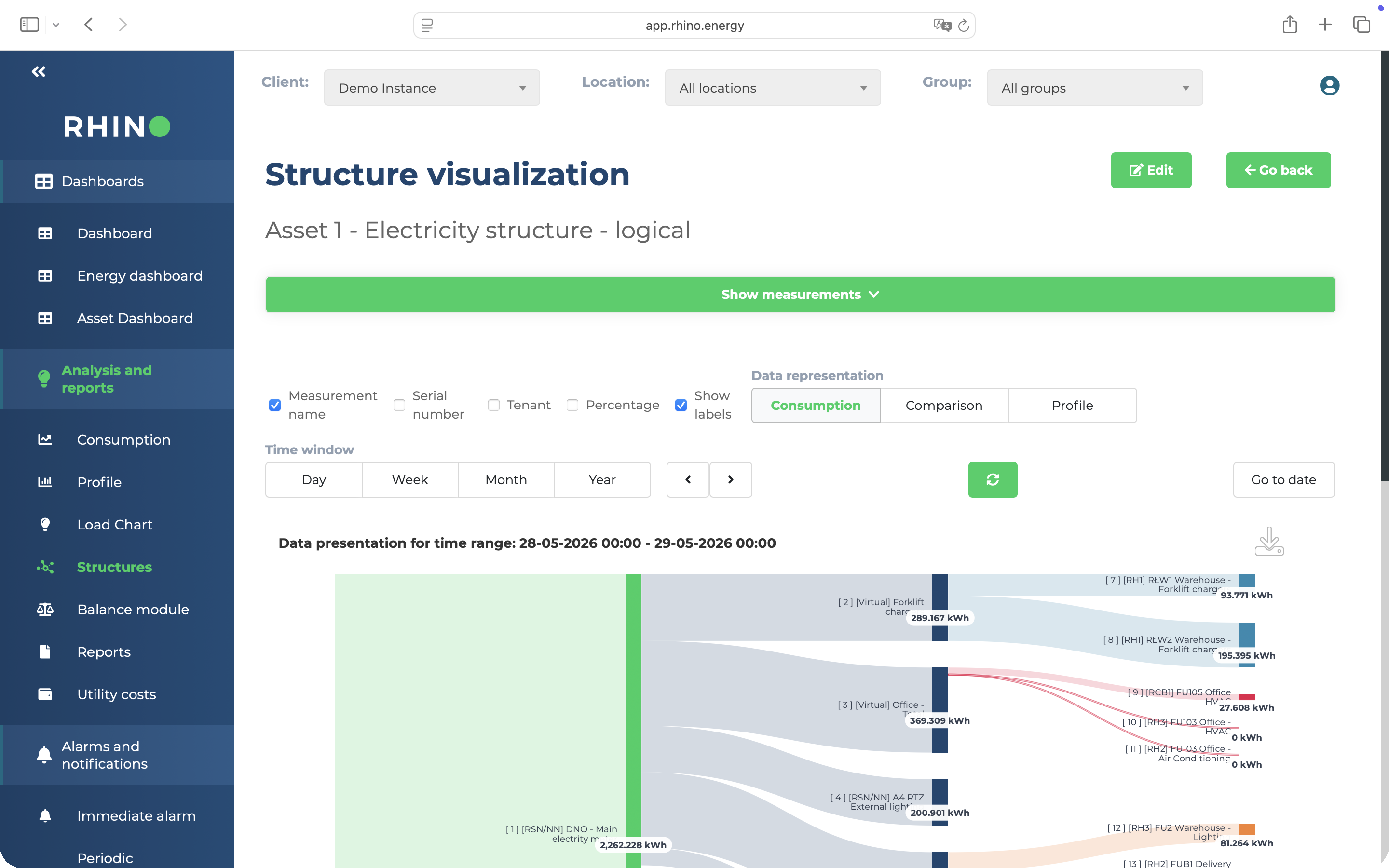
How it works
Three sources. One data lake.
Every path ends in the same place: the Rhino Cloud. From there, live data flows into your dashboard, your reports, and your API.
Your portfolio
Any asset class. Any meter.
Rhino monitors electricity, gas, water, heat, sensors, and solar generation across any meter or device, from a single building to a portfolio of thousands. No infrastructure overhaul required.
250+ models supported
Click to explore
Your portfolio
Supported brands & protocols
Meters & BMS brands








250+ models
to discover
to discover
Solar & inverters



Supported protocols
Click to go back
Path 1
Rhino Hardware
Physical end devices connect directly to meters on-site. Works with any meter, including those with no remote connectivity.
Click to explore
Path 1
Rhino Hardware
.png)
Rhino AP
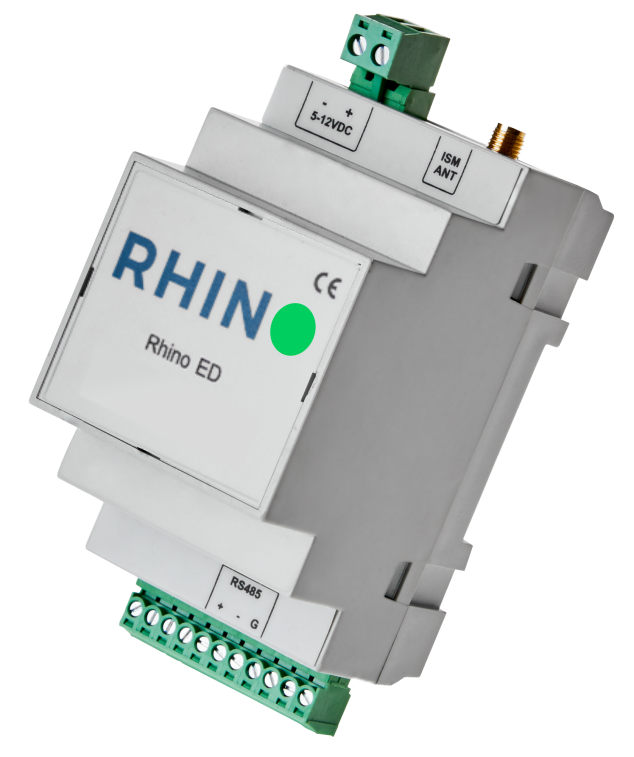
ED RS485
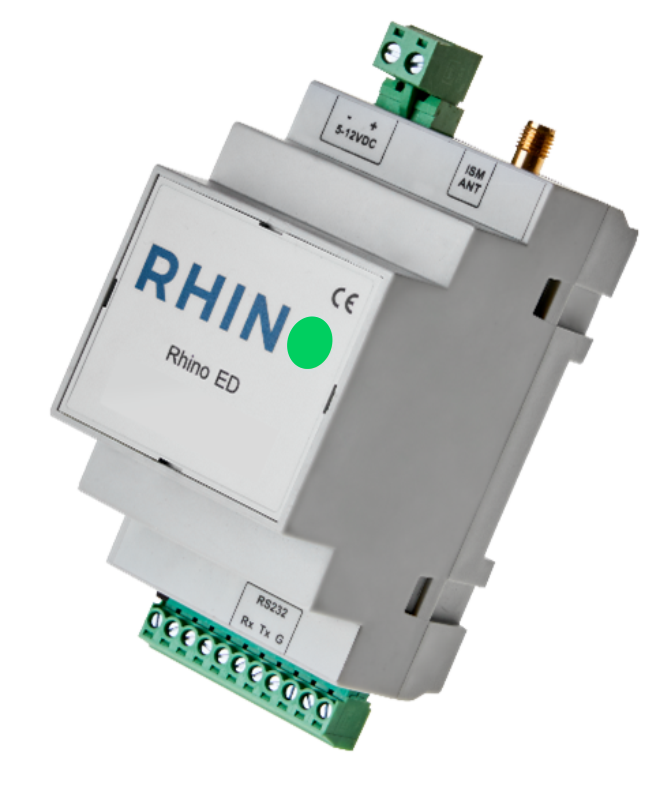
ED RS232
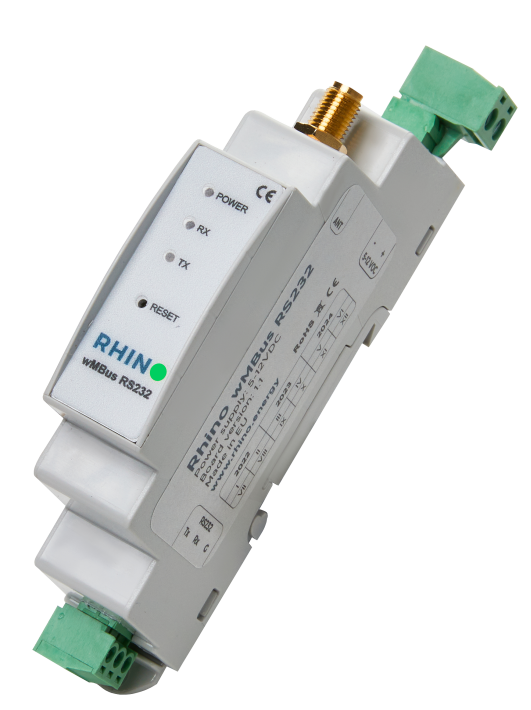
wMBus
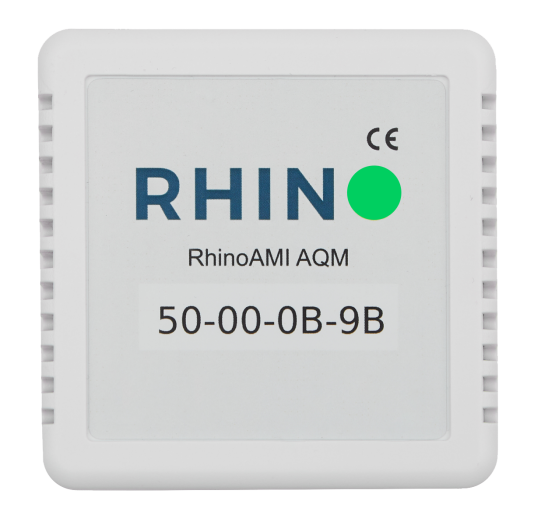
AQM Indoor
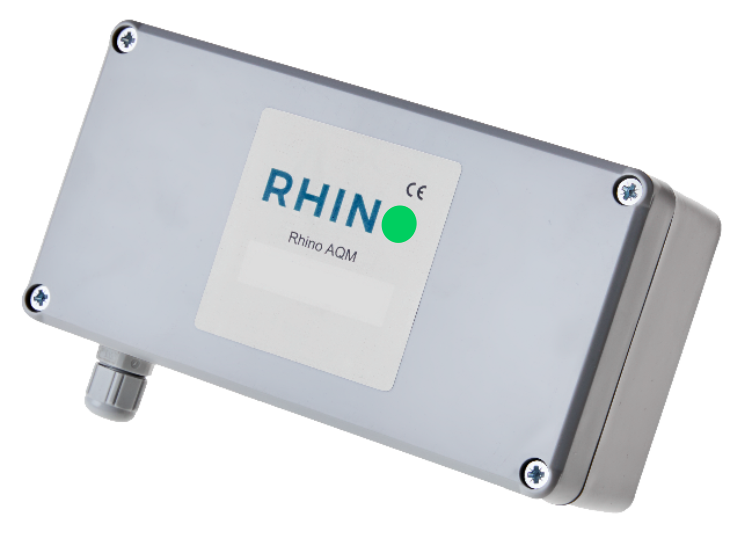
AQM Outdoor
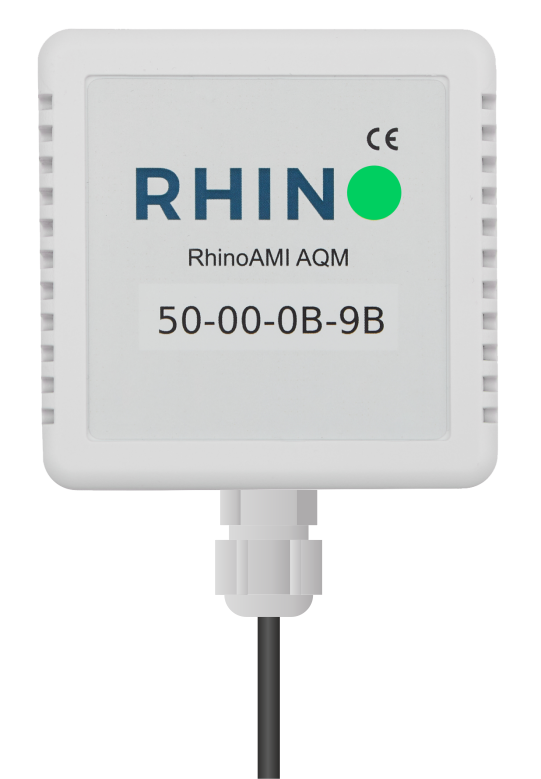
AQM PT
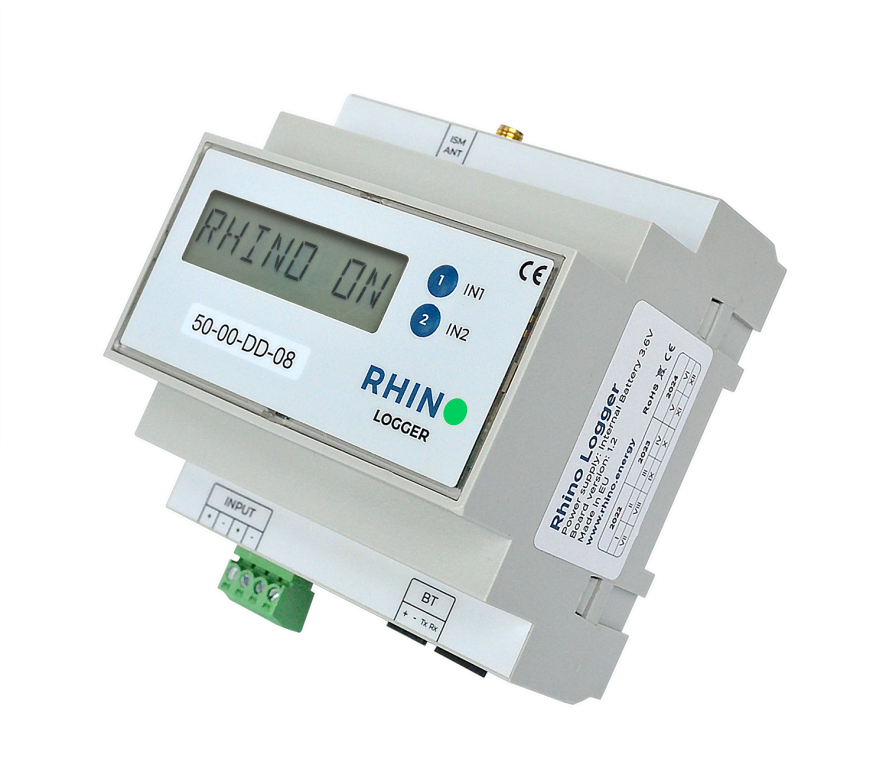
Logger
+ more
to discover
to discover


Click to go back
Path 2
Utility Provider Connectors
Direct cloud-to-cloud API connections to grid operators and utility providers. No hardware, no on-site installation required.
Click to explore
Path 2
Utility Provider Connectors




+ more
to discover
to discover
Click to go back
Path 3
Third Party Infrastructure
Integrates with BMS platforms, IoT gateways, and sub-metering systems already installed in your building. Data flows directly into Rhino Cloud.
Click to explore
Path 3
Third Party Infrastructure



+ more
to discover
to discover
Click to go back
All paths lead here
Rhino Cloud
Every meter. Every path. Complete, accurate utility data in one place. Updated every 15 minutes.
Active in over 40 countries
ESG & billing reports
Dashboard & API access
Click to see inside
Rhino Cloud
From raw reads to reliable data
Normalized & structured
Raw pulse counts and meter reads converted to clean kWh, m³, and GJ records. Gaps detected and flagged automatically.
15-min granularity
Sub-hourly resolution across all utility types. Full history queryable back 7+ years, on demand.
Single unified model
Hardware, API connector, and third-party feeds merge into one schema. One integration, every source.
GDPR compliant
99% uptime
Encrypted in transit & at rest
Click to go back
Once connected
Connected meters.
Live data.
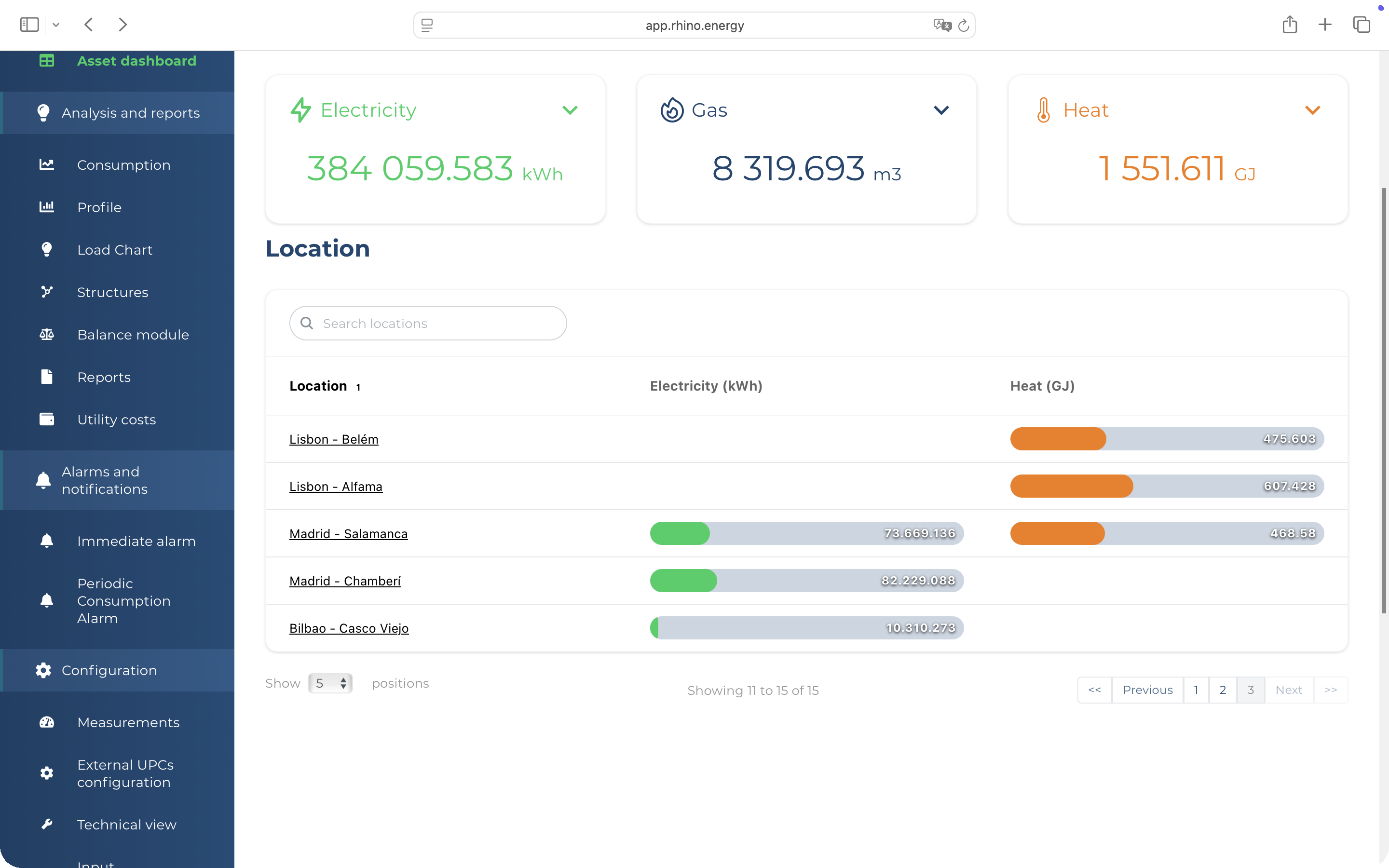
Every meter you connect feeds real-time data into the Rhino platform. Software path or hardware path, the data lands in the same place: a single dashboard covering your full portfolio.
Consumption at 15-minute intervals
Charts, benchmarking, and anomaly detection across electricity, gas, water, and heat.
Tenant and submeter visibility
Assign meters to tenants, automate billing, and resolve disputes with the actual data.
ESG and compliance reporting
Accurate, audit-ready utility data for CSRD, EU Taxonomy, and Energy Label C requirements.
Common questions
Data Sources, explained.
No. Rhino connects to your existing meters and building infrastructure. Where smart meters are already in place, connection is software-only, no hardware, no contractors, no downtime. Where meters need a physical reader, Rhino installs its own device. In either case, nothing is removed or replaced. Most buildings are live within days of kickoff.
Rhino Hardware connects directly to meters on-site using Rhino's own devices, covering protocols and meter types that have no remote API. Utility Provider Connectors pull data cloud-to-cloud from the utility or smart meter network, requiring no physical hardware at the building at all. Third Party Infrastructure integrates with existing building systems: BMS platforms, IoT gateways, or monitoring hardware already installed, Rhino reads from what is there rather than replacing it.
Most portfolios use more than one path across different sites. The platform treats all three equally: the same dashboard, the same data resolution, the same reporting.
It depends on what is already in place. Where your utility provider offers a smart meter API, Rhino uses that. Where you have a BMS or existing monitoring hardware, Rhino connects through that. Where neither applies, Rhino installs its own hardware. Most portfolios end up using a combination across different sites. Rhino's team determines the right path for each building during onboarding, so you don't need to figure this out in advance.
Rhino covers all utilities: electricity, gas, water, and heat, including submeters. The hardware supports a wide range of meter protocols and manufacturers. Rhino is active in over 40 countries, so the supported meter list reflects the full variety of European and international infrastructure. If you have a specific meter type in mind, the team can confirm compatibility during the scoping call.
Software-connected buildings are typically live within a few days of completing the connection setup. Hardware installations take a little longer depending on site access and the number of devices, but most sites are online within one to two weeks. The platform shows data as soon as each meter connects, you don't wait for the full portfolio to be complete before you start seeing readings.
Yes. Rhino provides a Utility Data API that makes all collected meter data available for external use: ESG platforms, property management systems, energy consultants, or custom reporting. The API covers all utilities and all submeter data at full resolution. See the Utility Data API page for more detail.
Not sure which of the three paths applies to your portfolio? Both checkers answer in a few seconds, with no signup.
Ready to connect your portfolio?
Tell us about your meters and your infrastructure. We'll map out which connection path fits, and get you live fast.
Related reading
More on connecting your meters.

