 ×
×
Complete & accurate utility data. In Blue Module.
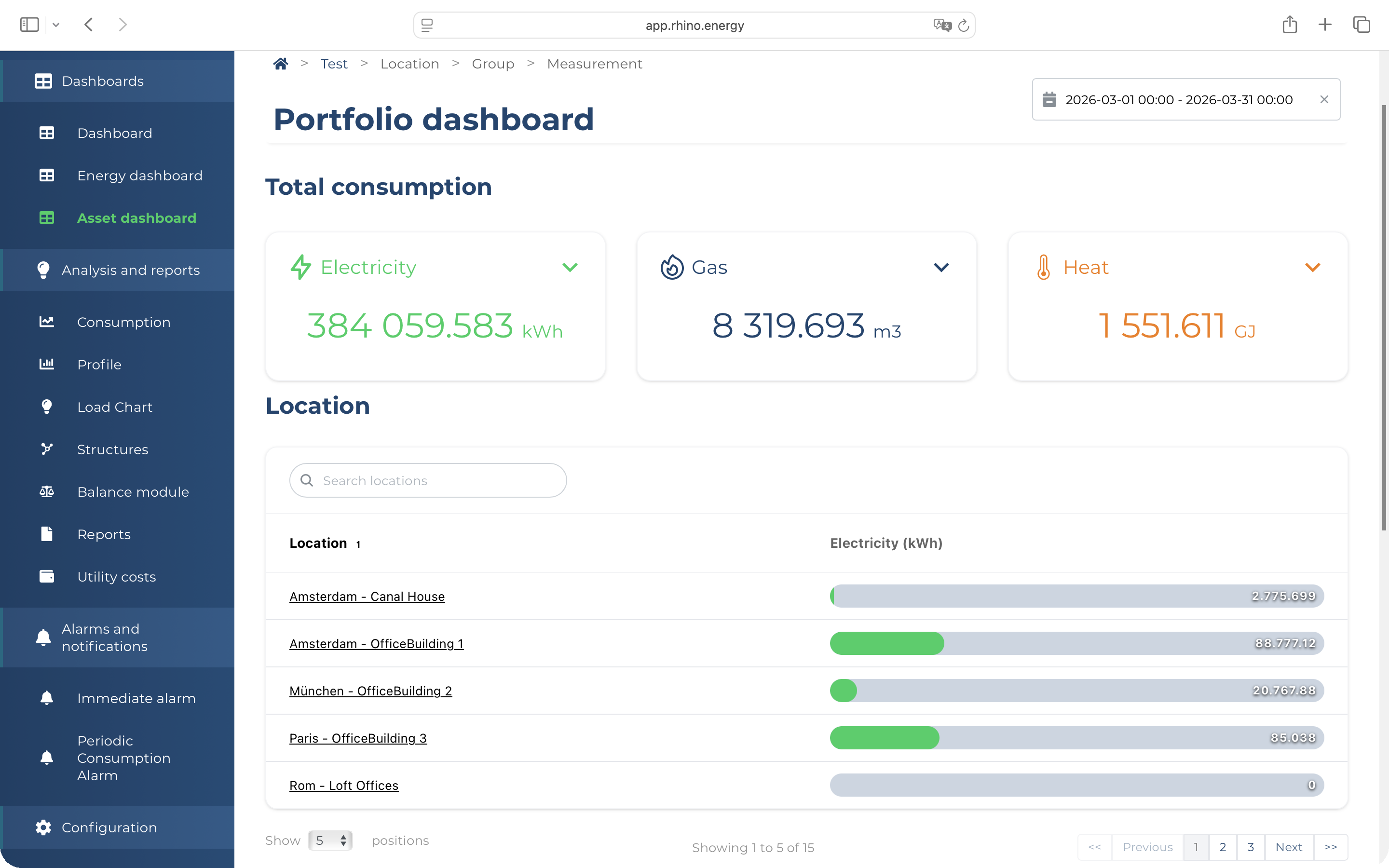
Rhino connects to your meters across electricity, gas, water, and heat, plus submeters and on-site solar. Verified 15-minute data flows into Blue Module via API, in real time. Blue Module turns it into ESG accounting, business cases, and value. No manual uploads.
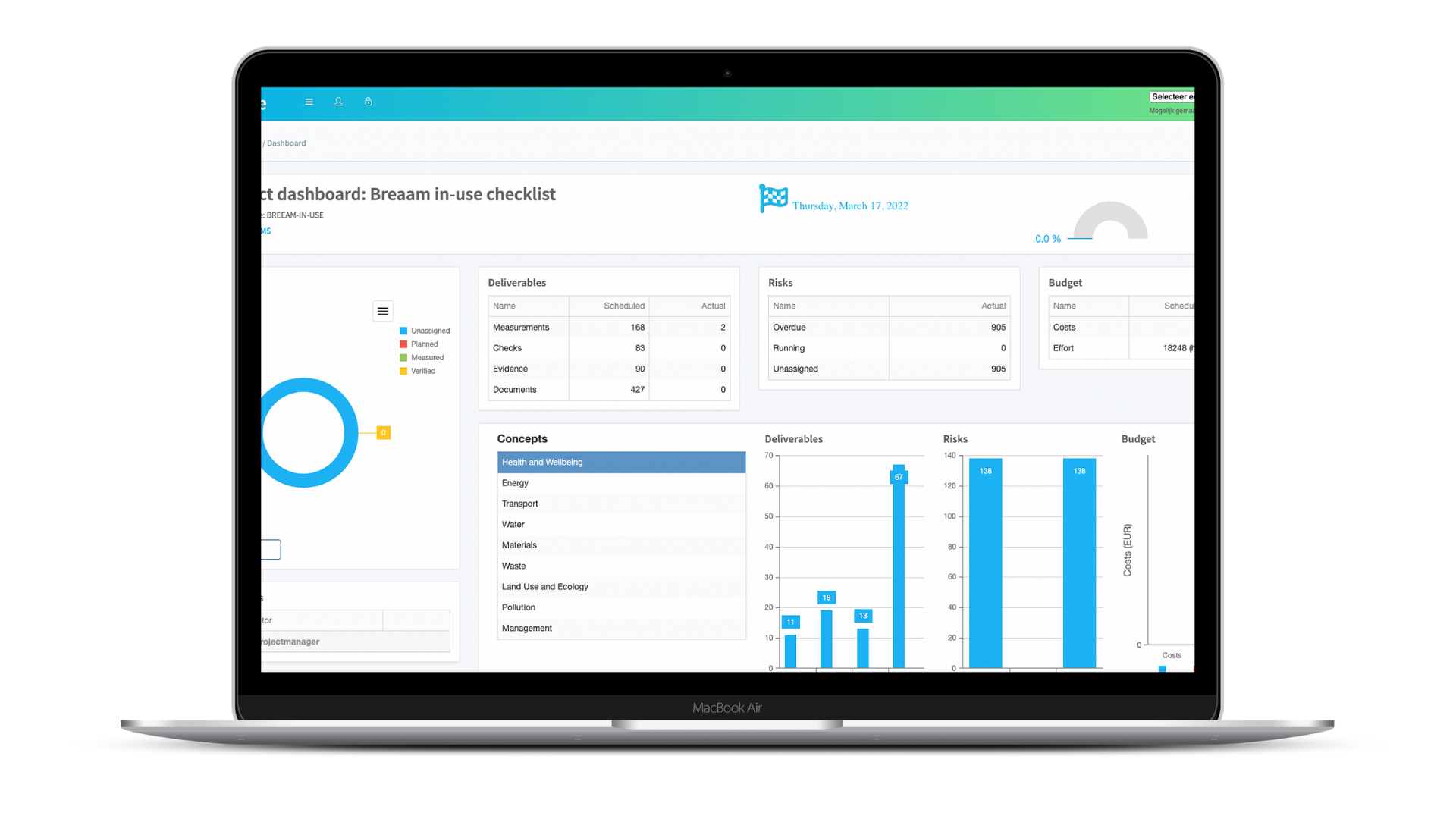
Rhino is the data layer beneath Blue Module.
Blue Module is the ESG accounting platform that translates sustainability into financial return. It reports to standards, builds value cases, and satisfies investors, banks, and regulators. To do that with confidence, it needs verified, complete utility data. That is what Rhino delivers.
Two layers, one workflow: Rhino provides the data, Blue Module turns it into ESG value.
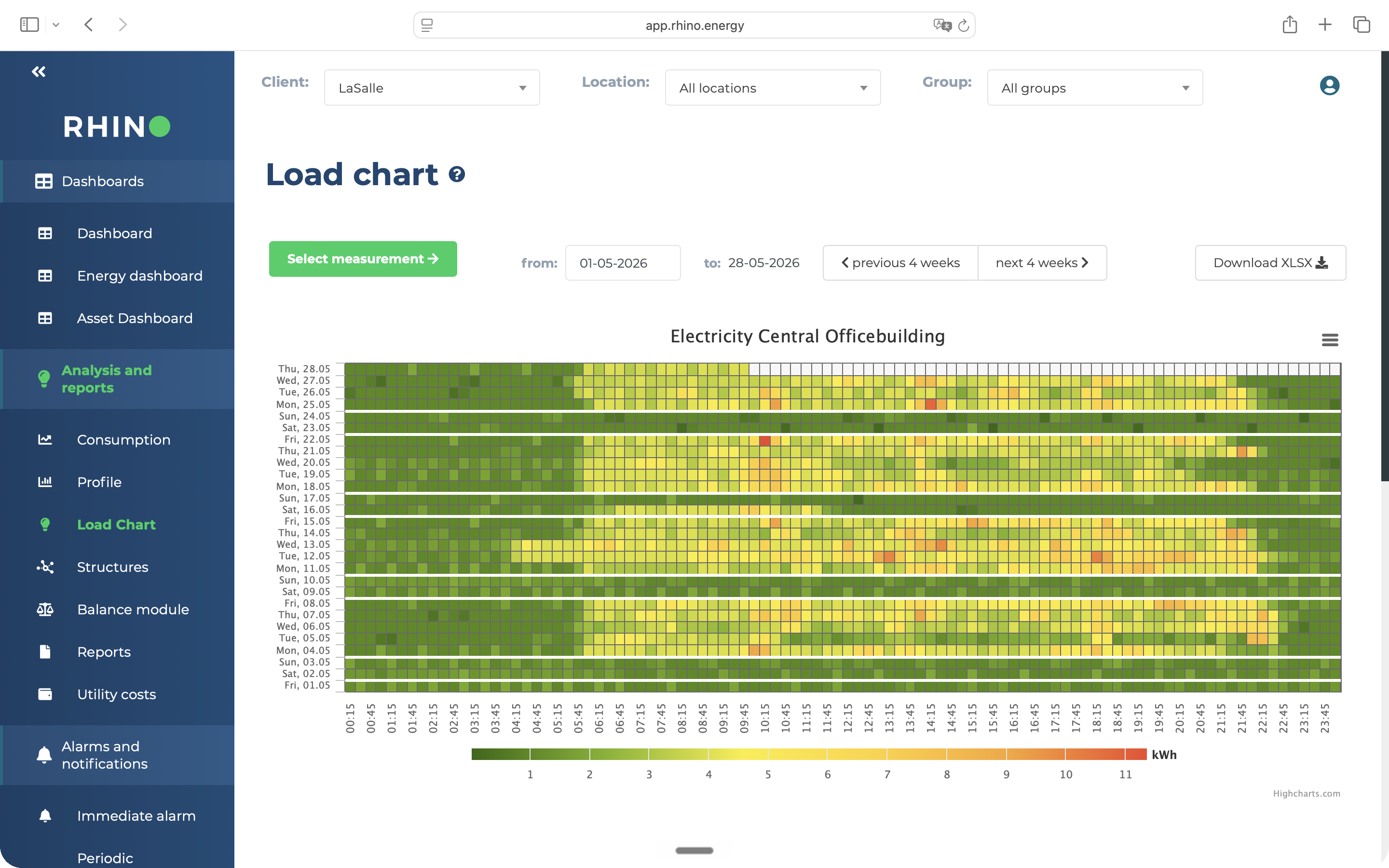
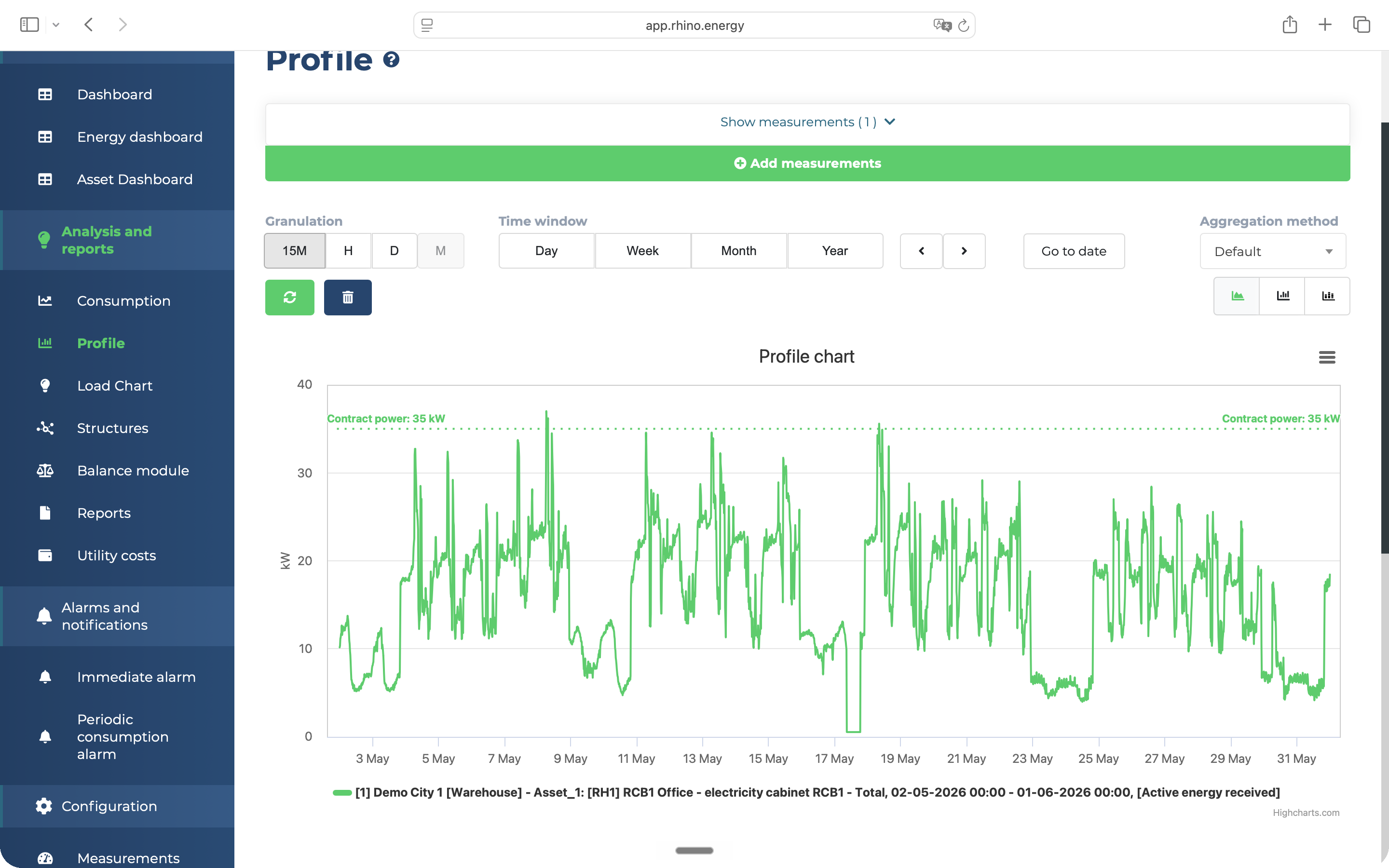
- All utilities, real time, including submeters. Electricity, gas, water, and heat at meter and submeter level, in 15-minute intervals. No estimates, no gaps.
- Direct meter connectivity. Rhino is integrated with the metering companies through an ODA license. Blue Module has no meter access of its own.
- BMS blind spots made visible. Rhino captures consumption the building management system never reads. This data does not exist anywhere else.
- Fully automated, zero manual input. Without Rhino, Blue Module relies on manual uploads, utility bills, and periodic exports.
- Social and wellbeing. WELL, Fitwel, and indoor-climate certifications, plus tenant experience. Rhino monitors utilities, not occupant wellbeing.
- Governance and reporting. Audit trails and structured ESG governance for boards, lenders, and investors. SFDR, EU Taxonomy, and CSRD filings.
- Physical waste and circularity. Waste streams and circular-economy metrics. Rhino covers utilities, not physical waste.
- Certification project management. BREEAM, LEED, and GRESB workflows from evidence collection to submission. Outside Rhino's scope.
From meter to Blue Module. Four steps.
Once Rhino is connected, the data flow is fully automated. No manual steps, no periodic exports, no reconciliation.
What changes when the data is right.
Blue Module is built to turn ESG performance into value. Rhino makes sure the performance it reads is real.
Numbers you can defend
Verification and validation are built into Rhino's delivery. Every figure in Blue Module traces back to a meter and a timestamp, so teams can defend results to auditors, banks, and investors with confidence.
15-minute plus real-time
One feed serves two jobs: operational monitoring and ESG reporting. Fifteen-minute intervals surface performance issues early, while real-time visibility keeps Blue Module current between reporting cycles.
Utility and solar in one view
Consumption and on-site production, including solar PV, arrive together. Blue Module shows net energy performance across assets and portfolios in a single view, not two disconnected data sources.
No manual uploads
Automated ingestion replaces spreadsheets, utility bills, and periodic exports. Month-end and quarter-end ESG cycles get faster because the data is already in Blue Module, standardized and current.
From performance to value
This is where Blue Module is different: it links utility performance to value drivers, budgets, and ROI cases. With Rhino's data underneath, those financial narratives rest on real consumption, not estimates.
Regulation and bank ready
EU Taxonomy, CSRD, SFDR, and financier requirements all demand consistent, auditable data. Rhino provides the source; Blue Module turns it into the filing.
ESG accounting that turns sustainability into value.
Blue Module is the ESG accounting software that increases real estate value through insight, optimization, and standardized reporting. It helps owners, investors, and appraisers translate sustainability performance into financial return, and report to financiers, investors, tenants, and regulators.
Based in Amsterdam and trusted across Dutch commercial real estate, Blue Module supports the leading ESG frameworks and best practices:
Blue Module x Rhino, answered.
Already using Blue Module?
Get accurate data into it.
Rhino connects to your meter estate and starts feeding Blue Module automatically. Book a demo and we'll assess your portfolio in the first session.