9% less energy.
195 apartments.
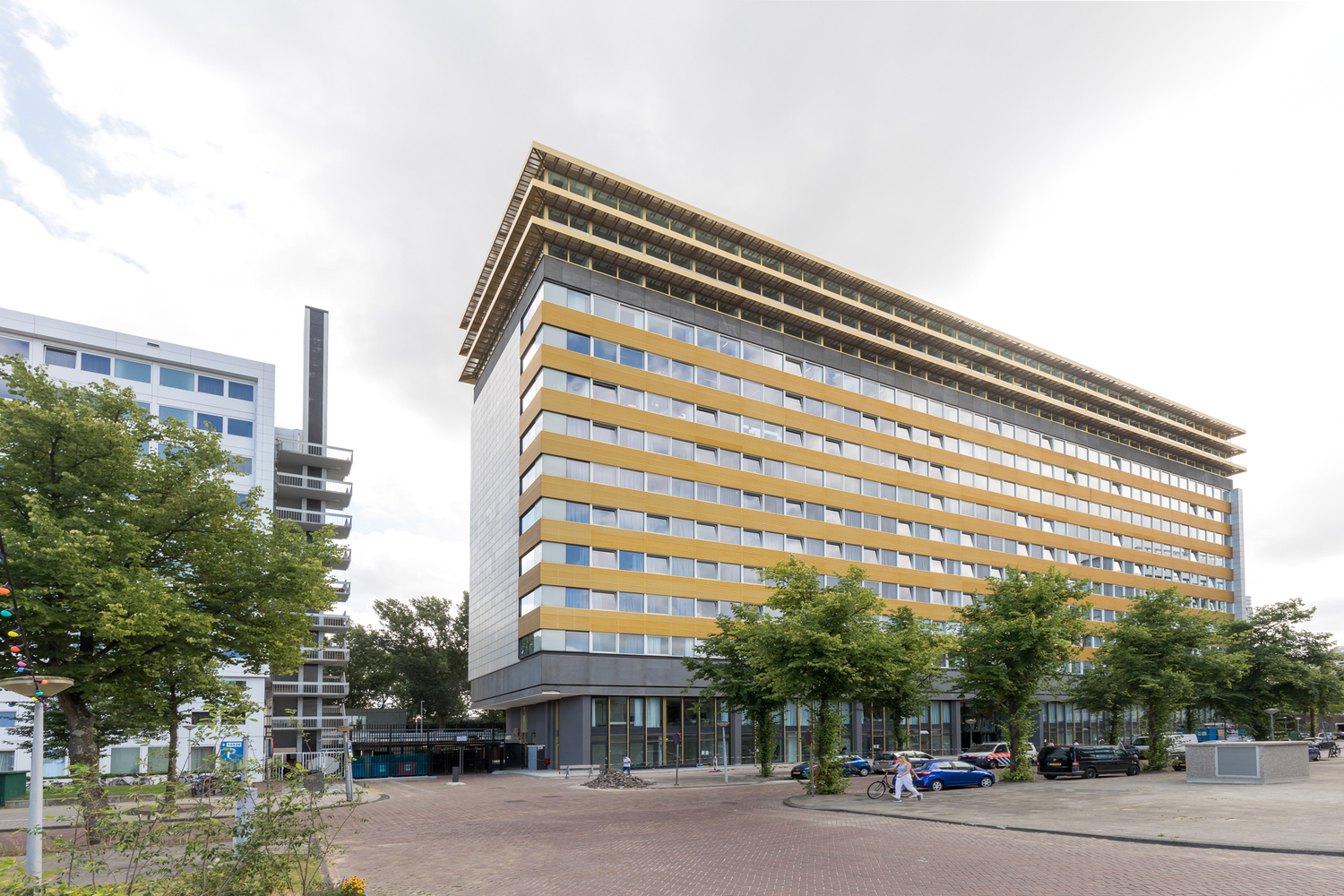
Holland2Stay connected 195 student apartments at Europahuis Amsterdam to Rhino. Continuous energy monitoring surfaced installation faults early, drove a 9% reduction in consumption, and gave residents direct insight into their own usage.

High consumption.
No explanation.
Europahuis had excessive energy consumption across its 195 student apartments, but no tool to understand where it was coming from or how to address it. The result was unnecessary cost, reactive maintenance, and residents operating completely in the dark.
No visibility into installations
Energy-hungry or failing installations went completely undetected. Without continuous monitoring, there was no way to know which systems were drawing excessive power, when faults occurred, or how to prioritise maintenance intervention.
Reactive facility management
The FM team had no data signals to act on, only tenant complaints and scheduled inspections. Maintenance was reactive by default. Problems compounded silently until they were large enough to force action, by which point energy had already been wasted.
Residents with no usage data
Student tenants had zero visibility into their own energy consumption. With no usage data available to them, there was no mechanism to encourage responsible behaviour, identify high-usage units, or engage residents meaningfully in reducing consumption.
Monitor everything.
Fix it faster.
Rhino connected every installation at Europahuis to continuous energy monitoring, giving the FM team a real-time signal for every fault, inefficiency, and usage spike. Three outcomes followed.
Repair and maintenance monitoring
Continuous energy data from every installation meant faults showed up as consumption anomalies before they became visible problems. The FM team could act on a data signal rather than waiting for a complaint, cutting response times and preventing the energy waste that accompanies undetected equipment issues.
9% energy reduction through installation optimisation
With every installation visible in the Rhino platform, the team could identify which systems were performing below par and take targeted corrective action. The cumulative effect across 195 apartments was a 9% reduction in total energy consumption, delivered through monitoring-led intervention, not infrastructure replacement.
Energy insights for residents
For the first time, Holland2Stay could give tenants meaningful visibility into their own energy usage. Consumption data became a tool for resident engagement, creating a feedback loop between individual behaviour and building-level performance that operator-only monitoring simply cannot produce.
9% less energy.
Every apartment.
One building. One utility. Monitored to the installation level. The 9% reduction came not from new hardware or infrastructure investment, it came from having the data to act on what was already there.
Visibility for residents.
Results for operators.
The Holland2Stay deployment showed what becomes possible when energy data reaches the people living in the building, not just the team managing it.
Usage visible to tenants in real time
Residents can see their own energy consumption as it happens, not as an estimate at end of month. That immediacy changes behaviour in ways that aggregate reporting cannot.
FM team can identify high-usage units
Installation-level data means operators can spot outlier units and engage with those tenants directly, whether the cause is a behavioural pattern or a faulty appliance.
Engagement that improves portfolio performance
When residents reduce consumption, the building's overall energy figures improve. Tenant engagement is not a soft benefit, at Europahuis, it was part of how the 9% reduction was achieved.
Your building.
Less energy.
See how Rhino monitors every installation in your student housing portfolio and gives residents the data to drive consumption down.