Understanding the key components of ESG—environmental, social, and governance—is essential for real estate investors who aim to achieve sustainable growth. ESG principles guide investors in evaluating opportunities that align with sustainability, community impact, and ethical management practices. Let’s break down the three pillars of ESG and their significance in real estate investments.
Environmental Factors
Environmental considerations focus on how a property interacts with the natural world. Investors should assess:
- Energy Efficiency: Is the building designed to minimize energy consumption with features like LED lighting, smart thermostats, and renewable energy sources?
- Carbon Emissions: What is the carbon footprint of the property, and are there initiatives to reduce it?
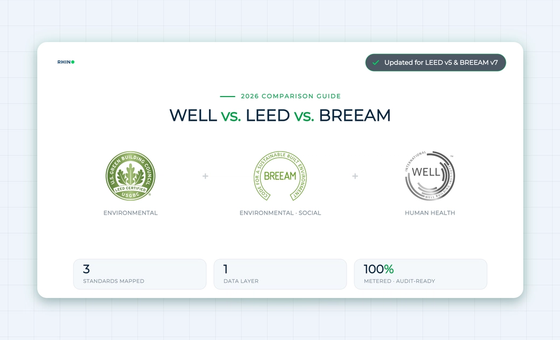
- Sustainable Construction: Are materials sustainably sourced, and does the property meet green building certifications such as LEED or BREEAM?
- Water and Waste Management: How effectively does the property manage water usage and reduce waste?
Adopting environmentally conscious practices not only reduces operational costs but also improves compliance with tightening regulations.
Social Factors
Social aspects consider how real estate impacts people and communities. Key areas include:
- Tenant Experience: Are tenants provided with safe, healthy, and comfortable living or working environments?
- Community Engagement: Does the property development benefit the surrounding community, such as by providing public spaces or improving local infrastructure?
- Diversity and Inclusion: Are there policies in place to promote diversity among tenants, employees, and contractors?
- Health and Wellness: Are amenities like fitness centers, air quality systems, and green spaces integrated into the property?
A socially responsible approach enhances the reputation of the property and attracts long-term tenants.
Governance Factors
Governance addresses the ethical and managerial framework behind a real estate investment. Investors should evaluate:
- Transparency: Are financial reports, ESG metrics, and operational data openly shared?
- Regulatory Compliance: Is the property managed following local and international laws?
- Stakeholder Accountability: Are the interests of tenants, employees, and shareholders balanced effectively?
- Board Oversight: Does the management team strongly commit to ethical decision-making?
Good governance ensures investments are managed responsibly, reducing risks and fostering stakeholder trust.
The Benefits of ESG for Real Estate Investors
Integrating ESG principles into real estate investments offers numerous advantages:
- Higher Asset Value: Sustainable properties often command premium prices and attract high-quality tenants.
- Risk Mitigation: ESG-compliant properties are less vulnerable to regulatory fines, market volatility, and reputational damage.
- Access to Capital: Many financial institutions prioritize lending to ESG-aligned projects.
- Positive Impact: ESG practices contribute to environmental protection, social equity, and ethical governance.
How Rhino Supports ESG in Real Estate
Rhino helps real estate investors and property managers embrace ESG by providing cutting-edge energy and utility monitoring solutions. Our platform delivers real-time insights, streamlining compliance with ESG standards and improving operational efficiency.
- Environmental Impact: Track and reduce energy consumption and carbon emissions.
- Social Responsibility: Engage tenants with data-driven energy-saving tips via our energy app.
- Governance Excellence: Simplify reporting and ensure transparency with comprehensive dashboards.
Drive Sustainable Growth with Rhino
Incorporating ESG principles into real estate investments is no longer optional; it’s essential for long-term success. With Rhino, you gain the tools to navigate ESG challenges and create impactful, sustainable portfolios.
Contact our sales team to learn how Rhino’s solutions can support your ESG goals today.